The most satisfying yards I see in Pasadena have an easy thing in common: they welcome you out the door. A sturdy paver outdoor patio does that without turning into an upkeep chore. Done right, it stays level through winters, sheds summertime hose water easily, and brushes off fallen jacaranda blooms without staining. Done badly, it heaves, traps puddles by the back door, and grows weeds in every joint by year three. The distinction is not magic. It is material choice, noise base preparation, and information you do not notice till they fail.
I have actually installed and revamped outdoor patios from Cottage Heaven to Linda Vista and Hastings Ranch. Pasadena soils differ more than lots of believe, from decomposed granite that condenses wonderfully to clay pockets that act like a sponge after a rare downpour. That local knowledge matters when the objective is a low-maintenance patio area that still looks sharp a decade in.
What low upkeep actually suggests in Pasadena
Low upkeep is not zero upkeep. In our environment, it suggests a patio that needs light sweeping, a rinse once in awhile, and periodic polymeric sand top-up rather than consistent childcare. Our sun is strong and angles are long in summer, so UV stability and colorfastness count. Santa Ana winds blow grit that can scratch softer stones and bring dust into joints, so jointing sand choice matters. We also get those unexpected storm cells that dump an inch of rain in an afternoon, which will check your drainage preparation, your retaining walls, and your base compaction.
Sun, wind, and bursts of rain form the backdrop. Layer on common Pasadena landscaping, typically a mix of drought-tolerant planting and pocket lawns, and you get irrigation overspray and the occasional fertilizer stain. A low-maintenance outdoor patio should forgive all of that.
Materials that age well and tidy easily
Your choice of paver sets the tone for the patio and determines how easy it will be to own. Ridgeline Outdoor Living paver installation experts will begin this discussion by asking how you live. Pet dogs or no pets. Bare feet or shoes. Grill master or weekend reader. The details push you toward among 4 typical product families.
- Interlocking concrete pavers: The workhorse. Thick, color-through or face-mix alternatives. Outstanding for driveways and high-traffic patios. The interlocking pavers format resists shifting, and joint lines accept polymeric sand well. The best balance of rate, efficiency, and pattern variety. Brick pavers: Traditional search for Craftsman and Spanish Revival homes. Real clay brick pavers are fired tough and withstand fading. They can be a touch more porous than concrete pavers, so sealing assists avoid tannin or grease stains. Concrete pavers with modern-day surfaces: Large-format pieces and textured units fit Mid-century and contemporary homes. Fewer joints implies a visually quiet surface, but pieces require a stiffer base to stay flat. If you like tidy lines, these deliver. Natural stone pavers: Basalt, limestone, and porphyry deal with heat well and bring genuine variation. Natural stone pavers are the premium option, beautiful around pools and outdoor cooking areas. They are heavier, take more skill to set, and take advantage of permeating sealers.
Any of these can be low maintenance if the set up is strong. For the majority of Pasadena homes, concrete interlocking pavers or clay brick pavers hit the sweet area, specifically when property owners choose very little sealing and maximum durability. Natural stone pavers make sense when the architecture asks for it, or when you want a heat-tolerant, barefoot-friendly swimming pool surround.
Styles that fit Pasadena architecture
The best paver patio styles for Pasadena homes obtain from the house instead of fight it. Rounded arches and stucco point to a warm palette and soft curves. Deep eaves and river rock accents invite thicker, tactile textures. By contrast, a glassy modern remodelling wants restraint and long sight lines.
A Spanish Revival near Madison Heights, for example, pairs wonderfully with tumbled brick pavers set in a herringbone field and a basic soldier-course border. The slight edge abnormality catches late light and reads historic without looking staged. For a post-war cattle ranch in Upper Hastings, I prefer large-format concrete pavers, something like a 24 inch by 24 inch unit in a cool gray with tight 2 to 3 millimeter joints. You get the visual breadth that makes a modest yard feel bigger.
Ridgeline Outdoor Living is frequently generated as the patio contractor to marry old and new. A current task on Arroyo Boulevard had century-old stone along the residential or commercial property edge. We used natural stone pavers in the dining area, then transitioned to concrete interlocking pavers for the grill station, regulating color and texture while keeping upkeep uncomplicated. That kind of hybrid approach lets you spend where it reveals and save where traffic and furnishings would obscure extra nuance.
The construct details that keep patio areas trouble-free
A great patio design Ridgeline Outdoor Living can protect starts underground. The majority of callbacks that paver professionals see trace to shortcuts you can not see once sand is swept into the joints.
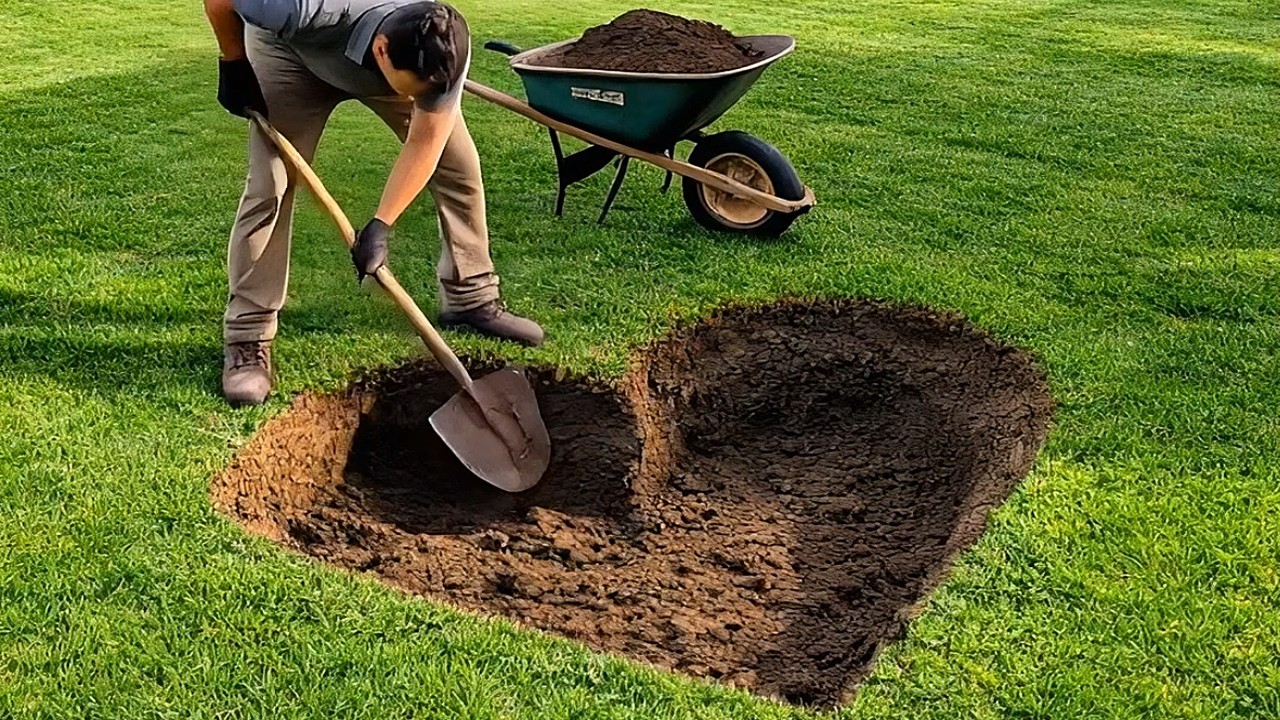
Excavation and subgrade. In Pasadena, I get rid of 8 to 12 inches for a patio area, more if we are changing soft yard soil with a structural base. The topsoil goes, the subgrade gets scarified, and clay pockets come out. I like to bench test with a plate compactor. If the ground shivers, I am not done.
Base product. Class II road base or a 3/4 inch gravel with fines, compressed in 2 to 3 inch lifts to a minimum of 95 percent relative compaction, provides the real strength. In greater clay areas, I add a geotextile separator in between subgrade and base to stop fines migration. Near oaks, I sometimes utilize an open-graded base with geogrid to safeguard roots and improve drainage.
Grading and drain. Patios require a fall of about 2 percent away from structures, more if you are near planters that will gather runoff. In Pasadena's fast storms, mis-graded outdoor patios will pond where furnishings lives. We use a stringline and a laser level, then confirm pitches in the final plate compaction. Channel drains belong where grade changes force water to take a trip throughout walk lines. Tie those drains to a daylight outlet or a dry well with validated capacity.
Screed bed. A 1 inch bedding layer of cleaned concrete sand gets screeded off pipelines. I do not exhaust this. Over-tamping the bedding layer makes it unequal; let the plate compactor do the final seat later.
Edge restraint. Concrete toe restraints or aluminum edge packages keep pattern creep in check. Skipping this is a slow-motion failure. For curved outdoor patios, a flexible edge restraint follows the arc cleanly.
Laying pattern and cuts. Straight lines versus the house aid visually. Complex curves are much better formed with 6 to 8 inch segmental cuts than long slivers that break throughout the very first season. On natural stone, I dry fit more, considering that density varies.

Jointing and compaction. We sweep polymeric sand into dry joints, plate-compact with a protective pad, top up joints, then lightly mist to activate. In tight joints under shade, a polymeric designed for narrow gaps decreases haze and cures stronger.
Sealing. Whether to seal is case by case. On brick pavers near jacarandas or olive trees, I lean yes for stain resistance. On textured concrete pavers, a breathable permeating sealant once every 3 to 5 years keeps efflorescence at bay and makes clean-up simple. Natural stone pavers around a Pasadena outdoor kitchen area take advantage of a food-safe penetrating sealant that does not modify color.
Those steps sound ordinary. They are. But they are what separate the patio areas that still look dialed after ten summertimes from the ones that start to rattle when a dolly rolls across them.
Patterns that withstand wear and look intentional
Patterns are not only visual. They manage how loads travel. On driveways, I prevent running-bond since it can produce long shear lines. On outdoor patios, herringbone, basketweave, and 3-piece modular patterns distribute forces well and conceal minor settlements.
If you like a large-format slab look but stress over wobble, we can thicken the base and include more restrained joints. Interlocking pavers in a 3-piece pattern can phony the piece appearance by picking systems with generous face sizes, then keeping border information crisp. Borders, by the way, do quiet design work. A contrasting soldier course defines area, guides walkers, and lets you fix odd angles against tidy lines.
Retaining walls that frame areas and handle grade
Backyards in Pasadena frequently have a moderate slope. The very best patio areas tuck into that slope instead of battle it. Retaining walls are the tool, whether you need 12 inches to level a dining balcony hardscaping guide or 4 feet to take a usable lawn. As a retaining wall contractor in Pasadena, I anticipate a wall to do two jobs: hold soil safely and look like it belongs in the yard.
Creative block retaining walls in Pasadena can be surprisingly handsome, specifically with split-face systems and a limestone cap. For a more natural appearance, stone retaining walls built by experts in Pasadena LA can utilize regional fieldstone or cut ledgestone, each with its own character. Structural information matter more than face products. Correct step-back, a compressed base pad, drain stone behind the wall, perforated drain pipeline to daytime, and weep management make the distinction. Taller walls might require geogrid layers at specified periods. On the design side, I attempt to break long runs into balconies and wrap corners with plant pockets. You avoid the freeway-soundwall appearance and develop microclimates for rosemary, penstemon, or succulents.
If you look for retaining wall installation in Pasadena CA, you will see a series of claims. Inquire about engineering for anything over 3 feet, soil reports if conditions are uncertain, and photos of walls at least 5 years of ages. Time is a much better credential than a brochure.
Walkway setup and garden pathway concepts that invite wandering
A patio area rarely lives alone. Sidewalks connect house to outdoor patio, outdoor patio to garden, and garden to side lawn. The very best walkway installation respects how individuals really move. Straight runs make good sense near driveways or service sides. In planting locations, a slight serpentine arc slows the walk and frames views.
Ridgeling outside living garden path concepts frequently start with width. Thirty-six inches is the minimum for 2 people to pass comfortably. Forty-two feels generous without wasting space. Stone walkways with irregular flagstone set in broken down granite read organic and deal with curves well, but they require edging to keep the granite in location throughout Santa Ana events. If you want the same upkeep profile as the patio area, stick with interlocking pavers in a simplified pattern and a border that matches the patio edge. Where tree roots cross, we will float the path somewhat, using a thicker bedding layer and a root bridge to prevent cutting structural roots.
Lighting becomes part of the walkway plan. Low, protected course lights at knee height keep glare down and highlight textures. I path avenues under the paver base before screeding, which avoids future trenching and patchwork.
Outdoor kitchens, fireplaces, and fire pits that match the patio
Pasadena outdoor cooking area ideas normally start with an integrated grill, counter space, and a landing for a pizza oven or side burner. Area planning takes top priority over gadgets. A four-foot clear prep zone, a landing for hot trays within a step, and a mini-fridge tucked at hip height make the cooking area feel natural. I choose pavers under outside kitchen areas since if you ever redesign, you can raise a few units, change a gas or electrical run, and reset cleanly. Concrete pieces under built systems are sometimes mandated by code or device specifications, so we integrate the piece under the landscape and hardscape construction cabinets and run pavers around it for a smooth look.
An outdoor fireplace anchors a seating location in the very same way a variety anchors an indoor kitchen area. For wood-burning features, check regional ordinances and air-quality rules, then plan chimney height to prepare well in our breezy afternoons. Gas fire pit installation is simpler to cope with. I like low linear burners set into a stucco or stone-clad surround, connected to the patio with matching paver borders. Drop-in pans make maintenance a wipe-down task, while a hard-lined gas supply with a keyed valve keeps security tight.
When we integrate heat features, we bump up clearances between seating and flame by numerous inches beyond the manufacturer minimums. Cushion fabrics fade here, so specify UV-stabilized textiles and plan for shade with a pergola or umbrella footers installed under the pavers at develop time.
A realistic maintenance cadence
If a patio contractor says you will never ever touch your outdoor patio once again, press for information. An excellent low-maintenance strategy is light and foreseeable. Here is the simple rhythm I recommend.
- Monthly: Quick sweep or blower pass to get rid of grit before it condenses in joints. Wash high-traffic areas. Check for joint sand loss near downspouts. Spring: Inspect for settling after winter season rains. Top up polymeric sand if joints have actually opened, then mist to cure. Spot treat algae in shade. Summer: Reseal grease-prone zones near grills if water no longer beads. Verify watering heads are not soaking the patio area edge. Fall: Clear leaf litter and seed pods that can stain, specifically under jacaranda, olive, or oak. Check drain inlets and channel grates. Every 3 to 5 years: Full clean with a paver-safe cleaning agent, light pressure wash, re-sand, and reseal if suitable for the material.
Most of this is an afternoon with a hose pipe and broom. The polymeric sand refresh takes a bit more attention, however it locks out weeds and ants for many years at a time. On natural stone pavers, I lean on penetrating sealers and a soft-bristle deck brush for cleaning, avoiding severe degreasers that can etch.
Budget, timeline, and permitting realities
For a common 350 to 500 square foot Pasadena patio area utilizing interlocking pavers, spending plans typically land in the mid to high five figures, depending on base work, access, and finish details. Natural stone and large-format concrete pavers tend to cost more, both in products and labor. Add-ons like seat walls, planters, or an outdoor kitchen area push scope and schedule.
A simple outdoor patio set up may run 7 to 10 working days: demolition and excavation on days 1 to 2, base and compaction through day 5, screed and lay days 6 to 7, border, cuts, and plate compaction day 8, and jointing and cleanup day 9. Retaining walls, drain tie-ins, and utilities expand that timeline. If we require authorizations for gas lines to a fire pit or electrical to an outdoor kitchen area, anticipate numerous weeks of preparation. Pasadena's structure department is extensive, and inspections keep you safe.
Two task snapshots
Madison Heights brick patio area. A 1920s home with a tired concrete piece desired heat and history. We destroyed the piece, excavated to 10 inches, and rebuilt with a geotextile separator and Class II base. Herringbone brick pavers with a charcoal soldier border connected to your house trim. A low seat wall, constructed as a maintaining step into the yard, served double responsibility. Drain traveled to a narrow channel grate along the house, then to a dry well by the garage. After the very first season, no efflorescence, no joint loss, and a client who declares the outdoor patio stays 10 degrees cooler than the old slab in July.
Linda Vista terrace with natural stone pavers. The yard fell away 30 inches over 22 feet. We cut into the slope and developed a two-tier stone maintaining wall with weep planes and a perforated drain piped to daylight at the north fence. The upper dining pad used 2 inch thick limestone pavers on a mortar-set slab where furnishings was heavy, while the lower lounge utilized natural stone pavers dry set on a compacted base for a softer feel. A gas fire pit installation near the lounge warmed evening events. The plants, mainly salvias and manzanita, soften the stone. Maintenance has actually been restricted to spring sand top-ups and a sealant refresh in year four.
Working with the ideal team
Choosing a paver contractor is part craft evaluation, part trust. Ask to see compaction equipment on website, not only in a sales brochure. Verify that they comprehend polymeric sand curing times in shade versus complete sun. Have them describe how they handle shifts to thresholds so you do not trap water versus the sill. For retaining walls, press on geogrid layers, backdrain information, and how they manage tie-ins to existing fences or property lines. Ridgeline Outdoor Living is frequently tapped as the patio contractor on projects that blend pavers, retaining walls, and gas or electrical scopes since they bring all of those pieces under one strategy, and they stand behind the work.
An excellent patio design Ridgeline Outdoor Living method consists of mockups. We lay out a 5 by 5 foot sample of your chosen paver in the actual light of your lawn. Colors shift outdoors. Gray that looks calm in the showroom can check out blue next to a stucco wall. We also check joint width and border percentage with genuine furniture in place before a single saw cut. Decisions made at full scale pay dividends later.
Small options that matter over years
Border color and density. A one-unit soldier course can feel stingy. Bumping to a double course on big outdoor patios gives borders the visual weight they require, especially with big slabs.
Joint sand tone. Matching sand to paver color hides dust and pollen. Contrasting sand emphasizes the pattern. I typically choose a somewhat darker sand near trees that shed, because it masks small stains.
Furniture feet. Tough plastic feet can abrade paver faces. Include felt-backed pads or rubber glides to cut wear, specifically on smooth large-format concrete pavers.
Hose bib positioning. We often set up an additional hose pipe bib near the patio area throughout the develop. If watering is easy, sweeping and rinsing happen. Low upkeep is partially about convenience.
Shade technique. A pergola or a basic sail shade keeps surfaces cooler and lowers UV aging of sealed surfaces. If you think you might include shade later, we sleeve footings now, under the pavers, so you are not cutting into a completed surface.
Bringing it together
A low-maintenance patio area that impresses is not about selecting the flashiest paver. It is the sum of a hundred choices, most of them undetectable by the end. The best material for your architecture and practices. A base that sits tight. Joints that resist weeds and ants. Retaining walls that hold grade and frame rooms. Pathways that guide, lighting that flatters, and an outdoor kitchen or fire feature that makes its footprint.
If you are preparing patio installation in Pasadena, begin with how you will use the area 200 evenings a year. Let that drive the strategy. Bring in a team that treats drainage and compaction like craft, not drudgery. Whether you favor brick pavers, concrete pavers, interlocking pavers, or natural stone pavers, the concepts stay the exact same, and the result, when detailed with care, seems like it has actually constantly belonged to the house.
Business Name: Ridgeline Outdoor Living
Address: 845 E Walnut St, Pasadena, CA 91101, United States
Phone: (626) 469-5822
Ridgeline Outdoor Living
Ridgeline Outdoor Living is a Pasadena-based landscape design-build company serving Greater Los Angeles with custom outdoor living, hardscape, and drought-tolerant landscape solutions. The company specializes in patios, retaining walls, outdoor kitchens, drainage, hillside projects, and turnkey landscape construction, handling projects from design and permitting through final build and warranty.
845 E Walnut St, Pasadena, CA 91101, USA
Business Hours:
- Monday – Saturday: 8:00 AM – 6:00 PM
- Sunday: Closed
Follow Us: